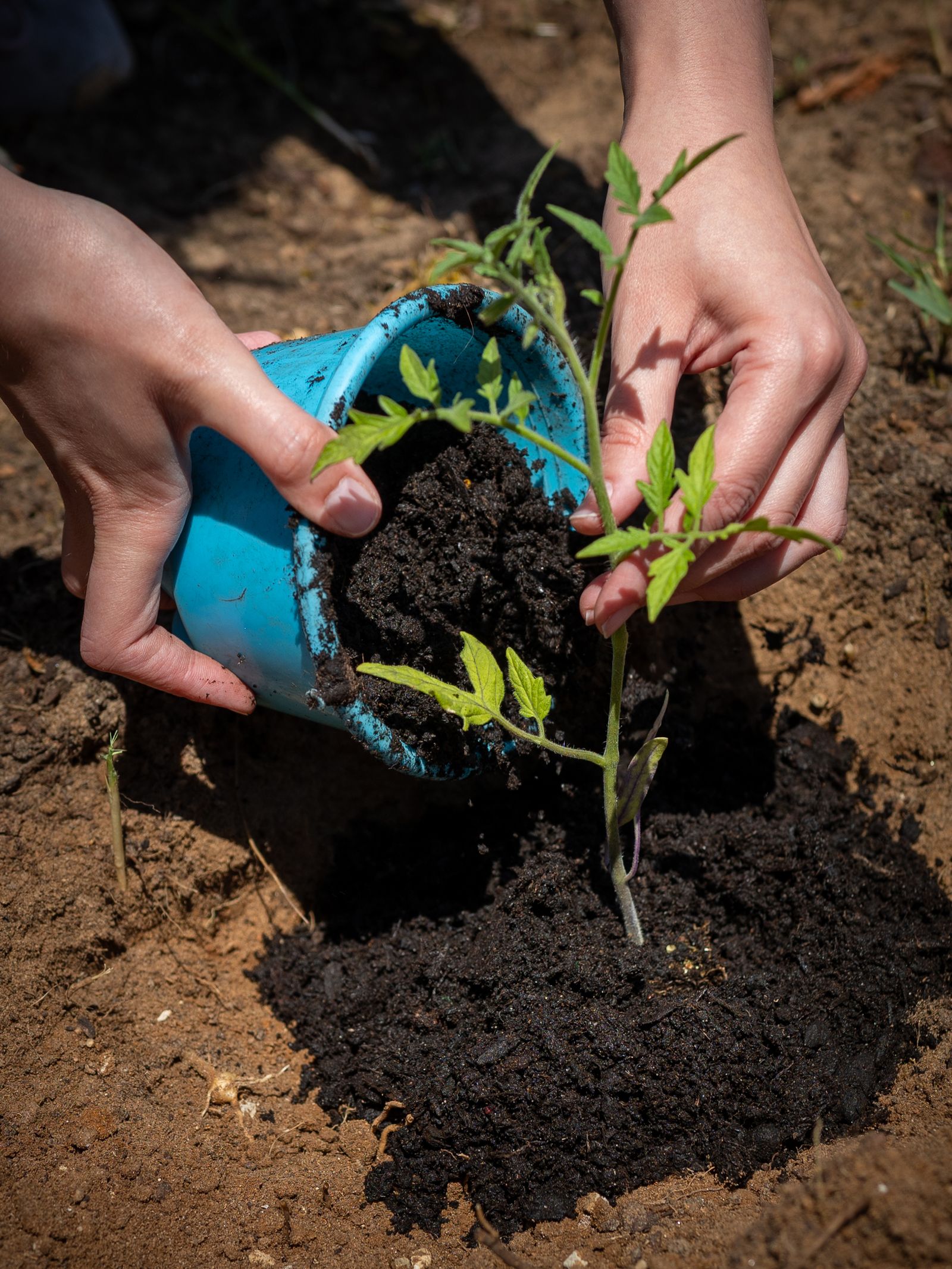
Good intentions do not raise a hafidh or build a person's character on their own. Impact comes from the structures, routines, and support we put in place around the intention.
Every parent wants their child to memorise the Qur'an with love, to have beautiful akhlaq, to grow into someone who carries their Deen with confidence. Every teacher wants their class to succeed. But wanting is not the same as building. It is easy to hope for a result and quietly wait for it to appear. It is much harder, and far more effective, to sit down and ask: what actually has to be in place for this to happen?
This is the difference between wishing for impact and facilitating it. One is a feeling. The other is a system - a daily routine, a consistent revision plan, an environment that makes the good habit the easy habit. Islam does not leave this as a vague hope either. It tells us plainly where change comes from.
Allah Does Not Change a People Until They Change Themselves
Allah (SWT) says in the Qur'an:
"إِنَّ اللَّهَ لَا يُغَيِّرُ مَا بِقَوْمٍ حَتَّىٰ يُغَيِّرُوا مَا بِأَنفُسِهِمْ"
"Indeed, Allah will not change the condition of a people until they change what is in themselves." (Surah Ar-Ra'd, 13:11)
This ayah is often quoted, but its weight is easy to miss. It is not saying Allah (SWT) withholds His help. It is describing a pattern He (SWT) has placed in creation: transformation follows effort. Du'a matters, in-shaa-Allah, but du'a is paired with action, not a substitute for it. A student does not become a hafidh by hoping to be one. A home does not become a place of Tarbiyah by wishing it were calmer. Something has to be put in place first.
The Strong Believer Builds the Means
The Prophet Muhammad (SAW) said:
"الْمُؤْمِنُ الْقَوِيُّ خَيْرٌ وَأَحَبُّ إِلَى اللَّهِ مِنَ الْمُؤْمِنِ الضَّعِيفِ، وَفِي كُلٍّ خَيْرٌ، احْرِصْ عَلَى مَا يَنْفَعُكَ وَاسْتَعِنْ بِاللَّهِ وَلَا تَعْجَزْ"
"The strong believer is better and more beloved to Allah than the weak believer, while there is good in both. Be keen on what benefits you, seek help from Allah, and do not be helpless." (Sahih Muslim, 2664)
Notice the order the Prophet (SAW) gives us: be keen on what benefits you first, then seek Allah's help, and do not fall into helplessness in between. Strength here is not about outcomes we cannot control. It is about the effort, the routine, and the means we put in our own hands. That is the part Allah (SWT) has asked us to own.
How This Shapes Tarbiyah at DSQA
At Darus Saulieghien Quraan Academy, this principle sits underneath how we structure a child's day. We do not simply hope a student progresses through their Hifz. We build a consistent daily portion, regular revision cycles, and a classroom environment where focus is the norm, not the exception. We do not simply hope for good character. We model it, name it, and correct it in the moment, again and again, until it becomes habit.
The same is true at home. A parent who wants their child to love the Qur'an cannot rely on that love appearing on its own. It grows where there is a quiet time set aside for revision, where a parent listens even briefly to what was memorised that day, and where the Qur'an is present and honoured in the home, not just at the masjid or in the classroom.
A Practical Takeaway
This week, take one thing you are hoping will improve, whether it is a child's memorisation, their manners, or their consistency in salah, and ask what small structure would actually make that more likely. A fixed time. A short checklist. A reminder placed somewhere visible. Pair the du'a with the plan.
Hope on its own does not move a child forward. We have to drive the impact ourselves, showing up for the routine daily, before we can truly see the difference happening.
May Allah (SWT) make our efforts, and not only our intentions, a means of real change for our children. Ameen.