
Surah Ibrahim places Musa (AS) among a people with every reason to complain, and the first thing he tells them is to remember Allah's favour. A reflection on where the mind stays after hardship.
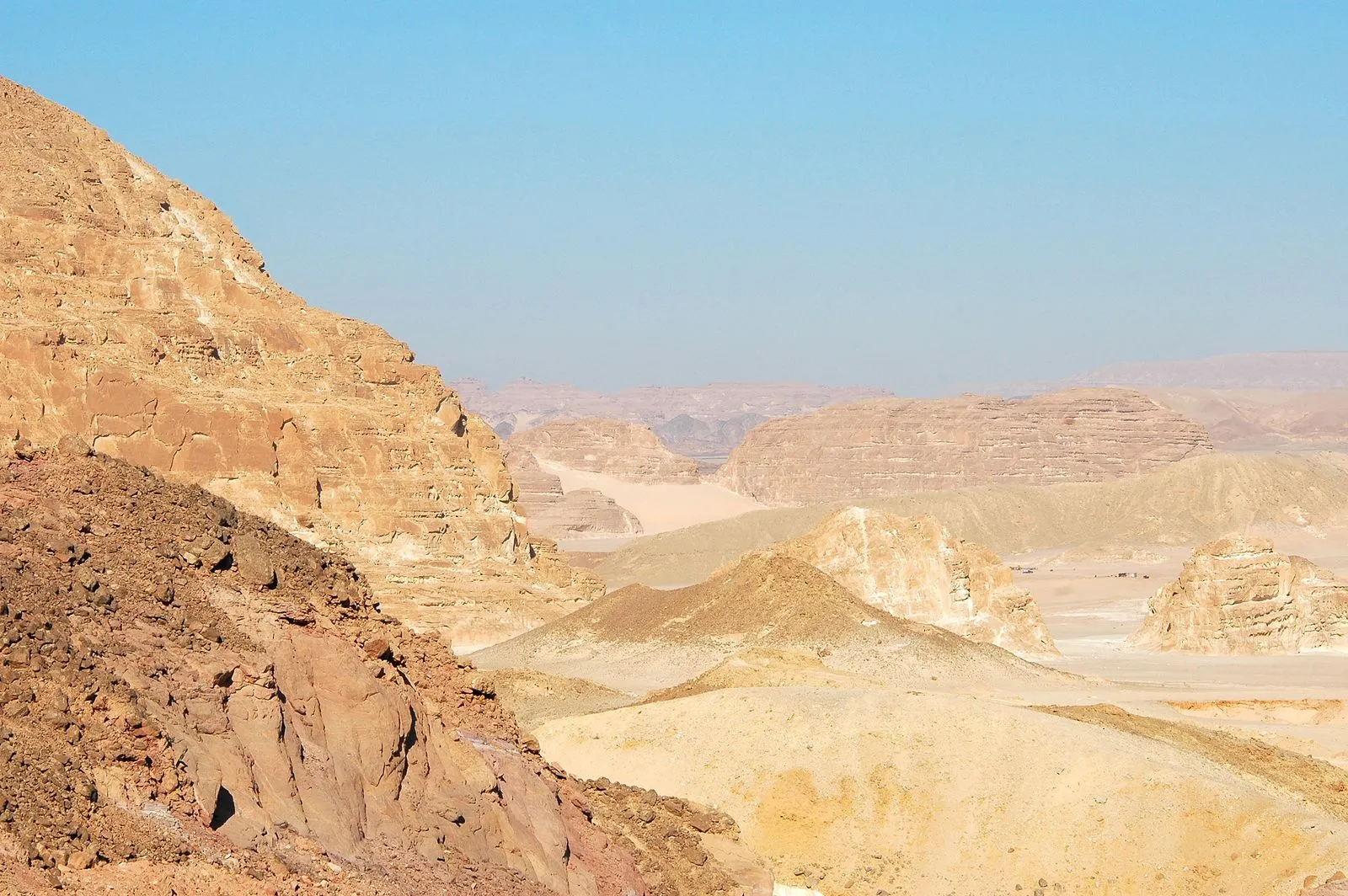
Picture thousands of men, women, children and elderly people standing in the Sinai desert after escaping generations of slavery under Fir'awn. They have whatever they could carry in their hands. No shelter, no army, no food, no water supply, a blazing sun overhead and no idea where to go next. At Darus Saulieghien Quraan Academy, this is the scene we ask our students to hold in their minds when we study Surah Ibrahim, because it is the scene in which Musa (AS) is told to speak to his people about gratitude.
Out of Darkness, Into Light
Allah (SWT) says:
وَلَقَدْ أَرْسَلْنَا مُوسَىٰ بِآيَاتِنَا أَنْ أَخْرِجْ قَوْمَكَ مِنَ الظُّلُمَاتِ إِلَى النُّورِ وَذَكِّرْهُم بِأَيَّامِ اللَّهِ ۚ إِنَّ فِي ذَٰلِكَ لَآيَاتٍ لِّكُلِّ صَبَّارٍ شَكُورٍ
"And We certainly sent Musa with Our signs: bring your people out of darknesses into the light, and remind them of the Days of Allah. Indeed in that are signs for everyone who is patient and grateful." (Surah Ibrahim 14:5)
Look at what Musa (AS) is told to do. Not to hand out provisions, not to plan the route, but to bring his people out of darkness and remind them of what Allah (SWT) had already done for them. In the very next ayah, one of the first things he says is: remember the favour of Allah upon you, when He rescued you from the people of Fir'awn.
If we are honest, we can imagine sitting in that crowd and thinking, "What favour? Yes, we were rescued, but where was the rescue for all those generations? My father was humiliated. My children watched it happen." They are still in the desert when they hear this. They have everything to complain about.
Where the Mind Stays
That is exactly the point. The instruction is to shift the focus from the problem to the relief from the problem.
This is not a denial of the trauma. The trauma was real. It was generational, the kind of thing you can still feel in the air of a nation decades later. The issue is where the mind stays.
For many people the mind stays in the trauma, reliving the bad experience again and again, and that becomes its own prison. Musa (AS) was sent to bring his people out of that internal darkness, the darkness of ingratitude, because they had already crossed the water. The physical chains were gone. What remained was the habit of looking back at them.
A Promise With No Ceiling
Then comes the declaration that should stop us in our tracks:
وَإِذْ تَأَذَّنَ رَبُّكُمْ لَئِن شَكَرْتُمْ لَأَزِيدَنَّكُمْ ۖ وَلَئِن كَفَرْتُمْ إِنَّ عَذَابِي لَشَدِيدٌ
"And when your Lord proclaimed: If you are grateful, I will surely increase you; but if you are ungrateful, indeed My punishment is severe." (Surah Ibrahim 14:7)
Notice what Allah (SWT) does not say. He does not say, "I will give you more water, more food, more safety." He leaves it open, because your gratitude for one specific thing does not limit what He gives back. Thank Him for a meal and the increase may come as health, as ease, as a door opening somewhere you were not even looking.
What This Means for Our Homes
At DSQA we meet children and parents carrying their own deserts: a slow term, a difficult Hifz stretch, a hardship at home that has lingered. Nobody is asked to pretend it is not there. But we gently encourage students to name what Allah (SWT) has already given: a Qur'an in their hands, a teacher who corrects their tajweed, parents who bring them to class. Gratitude is a discipline of attention, and like any discipline it grows with practice.
A simple habit for the home: at the end of each day, let each family member say one thing they are grateful for before they sleep. Small, consistent, and in-shaa-Allah the increase follows. May Allah (SWT) make us among those who are patient and grateful. Ameen.